

Bone grafting is a highly specialized dental procedure designed to restore lost or weakened jawbone, creating a strong and stable foundation for future treatments. Whether bone loss has occurred due to missing teeth, gum disease, or trauma, this procedure helps rebuild the natural structure of your jaw. At our practice, we focus on precision, comfort, and long-term success, ensuring every patient receives care tailored to their unique needs.
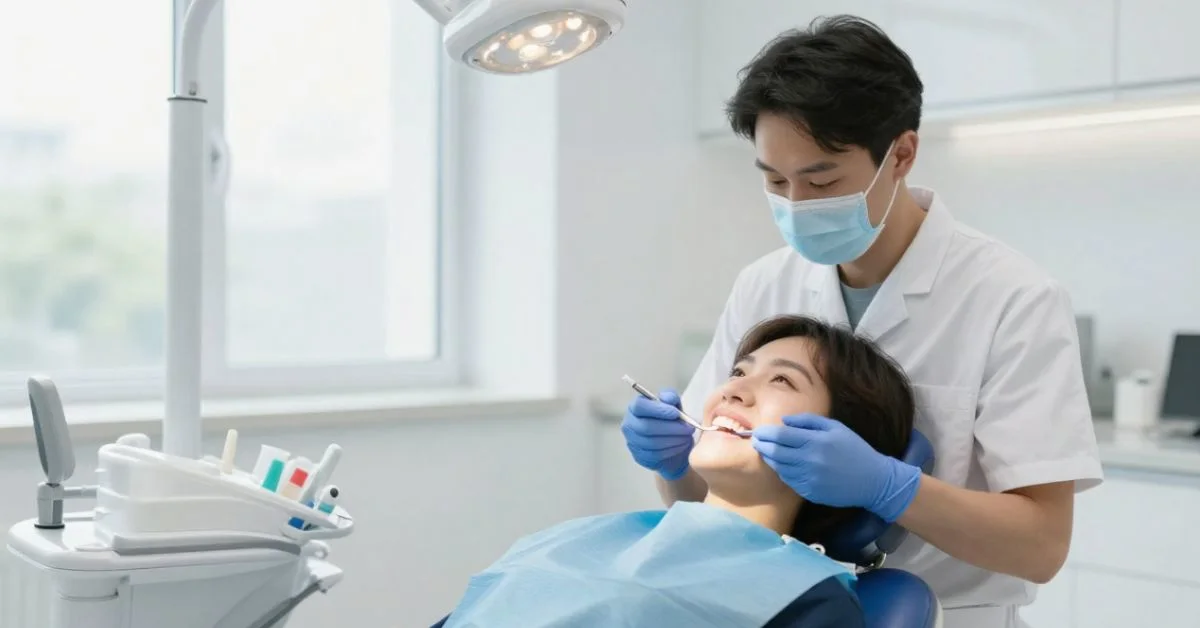
Surgical Expertise in Bone Regeneration
Our approach to bone grafting focuses on surgical expertise in bone regeneration. Using modern techniques and precise planning, we ensure that each procedure is performed with accuracy and patient comfort in mind. The goal is not only to rebuild bone but also to support long-term oral health, allowing patients to regain confidence in their smile and overall dental function.
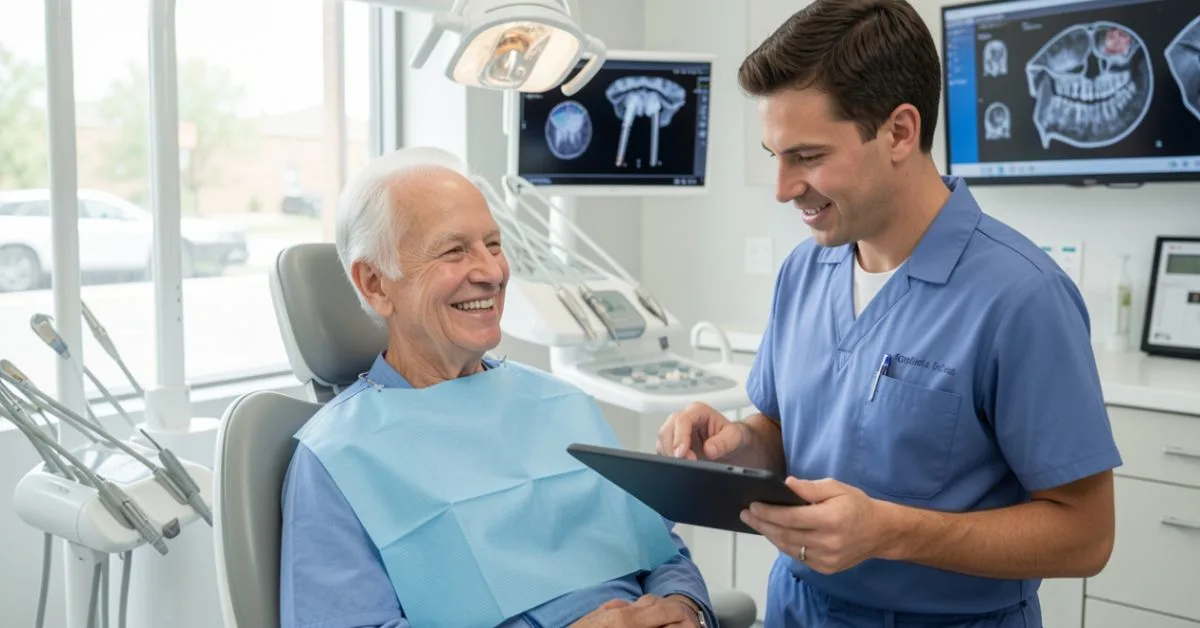
What Is Bone Grafting
Bone grafting works by placing specialized grafting material into areas where the bone is weak or missing. Over time, the body naturally integrates this material, promoting the growth of new, healthy bone tissue. This regenerative process is essential for restoring strength and density in the jaw, making it possible to support restorations that would otherwise not be feasible.
Bone Grafting for Dental Implants
For patients considering dental implants, bone grafting often plays a critical role. Implants require a strong and secure base to function properly, and insufficient bone can lead to complications or failure. By rebuilding the jawbone beforehand, bone grafting increases the success rate of implants and ensures a more durable and natural-looking result.
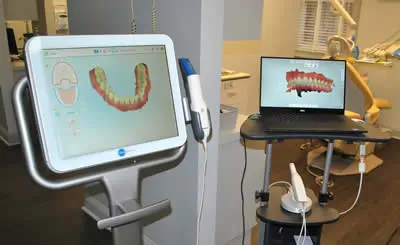
Types of Bone Grafts
Autograft (Your Own Bone)
Bone is taken from another area of your body, usually the jaw. It has a high success rate because it uses your natural bone and promotes strong healing.
Allograft (Donor Bone)
This type comes from a human donor and is safely processed. It eliminates the need for a second surgical site and is commonly used in many dental procedures.
Xenograft (Animal-Derived Bone)
Typically sourced from bovine (cow) bone, this graft acts as a framework for your natural bone to grow over time and is widely used for its effectiveness.
Synthetic Graft (Man-Made Material)
Created from biocompatible materials, these grafts mimic natural bone and gradually integrate with your existing bone structure.
Alloplast (Advanced Synthetic Option)
A specific type of synthetic graft made from materials like calcium phosphate, designed to support and stimulate bone regeneration.
Combination Grafts
In some cases, dentists use a mix of different graft materials to achieve the best strength, volume, and healing outcome.

Long-Term Benefits of Bone Grafting
This step can make a big difference in what’s possible later. Without enough bone, certain treatments become limited. With it, you have more options—and better long-term results. That’s really the reason we recommend it when needed. Not to add extra steps, but to avoid problems later.
Why Choose Elegant Smiles for Bone Grafting
Choosing a trusted dental checkup and cleaning provider is key to achieving the best results. At our practice, we combine experience, advanced technology, and personalized care to deliver reliable outcomes. In addition to specialized treatments like bone grafting, we also emphasize preventive services such as Emergency Dental Care in Atlanta, helping you maintain a healthy smile at every stage.
This service is offered at both our Buford and Marietta locations.
Frequently Asked Questions About Bone Grafting
Bone grafting is used to rebuild and strengthen the jawbone, often in preparation for dental implants or to restore bone lost due to disease or injury.
Not always. It depends on the amount and quality of bone present. To determine what transplantation is required, your dentist will examine your jawbone.
As with any surgical procedure, there are minimal risks, but complications are rare when performed by experienced professionals.
The procedure is usually done under local anesthesia, so patients feel little to no pain during treatment. Mild discomfort afterward is normal and manageable.
Yes, it helps prevent further bone loss, supports dental restorations, and maintains the structure of your face and jaw.


