

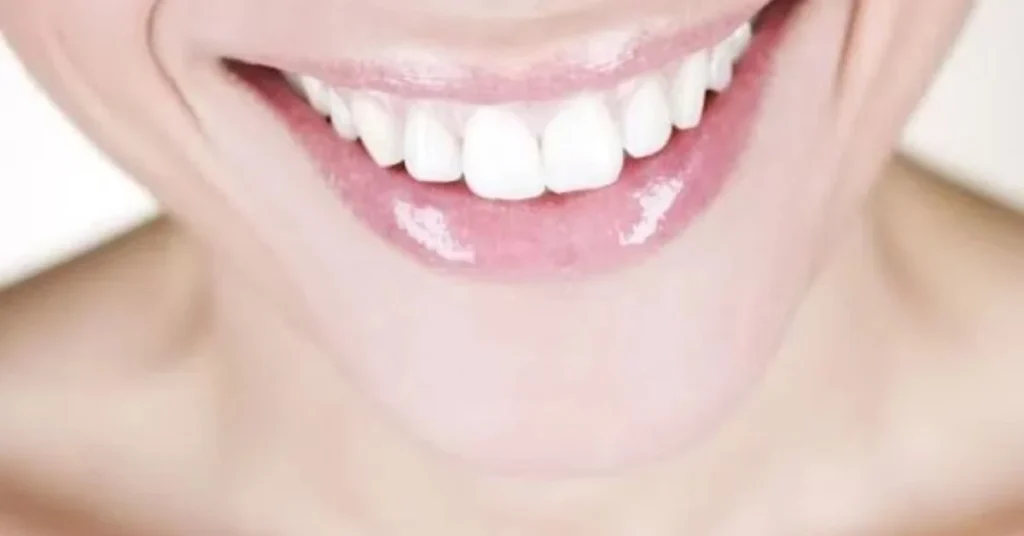
Some whitening methods are hard on sensitive teeth, so the choice matters. Here’s how the main procedures work, why teeth change color in the first place, and what to ask a dentist if you’re looking for the best teeth whitening for sensitive teeth in Atlanta.
Why Teeth Change Color
Stains fall into two groups. The first sits on the outside of the tooth: coffee, tea, red wine, tobacco, dark sauces. The second is inside the tooth. Enamel gets thinner as we age, so the yellowish dentin under it shows more. Childhood antibiotics like tetracycline can cause internal staining, as can too much fluoride while teeth are still forming, or a hard knock to a tooth.
Why bother knowing the difference? Because a polish or mild paste can lift the outside kind and won’t touch the inside kind. Those usually need a peroxide gel, and a few barely improve even then.
Types of Teeth Whitening Procedures
You can start with a tube of toothpaste or go straight to the dentist. The pattern is simple: stronger products work faster and cost more, and they’re more likely to make your teeth sting.
Whitening Toothpaste
The cleaning comes mostly from mild abrasives. A few brands add a little peroxide. Surface stain comes off, but your natural shade doesn’t change. It’s cheap and gentle, and slow. The American Dental Association (ADA) Seal on a box means the product was reviewed for safety and for its stain claims.
Over-the-Counter Strips, Gels, and Rinses
Strips are plastic films coated with peroxide gel. Gels go on with a little brush. Most people use them for a week or two. Rinses hold far less of the active ingredient, so you could wait a long time for a result. Some people never see one.
Fit is the problem with these. They’re made to suit everyone, so they suit no one perfectly, and gel that reaches the gums can irritate them. Leaving a strip on past the label’s time won’t get you a whiter smile. You’ll just have sorer gums.
Custom Take-Home Trays
Your dentist makes an impression of your teeth and has trays built from it. You put carbamide peroxide gel in the trays and wear them for a set time each day, commonly for about two weeks. Since the tray fits closely, the gel stays off your gums. The dentist also picks the gel strength and tells you how long to wear it. It’s more control than a drugstore kit gives you, and you don’t have to spend an hour in a chair.
In-Office Whitening
Here the dentist covers your gums with a protective barrier first, then applies a stronger gel. One visit takes roughly an hour, and you can often see the difference before you leave. A few offices add a light or laser. Studies disagree on whether that does anything useful.
Stronger gel means a higher chance of sensitivity, so this isn’t the right call for everybody. Some dentists send patients home with trays afterward to even out the shade.
Choosing the Best Teeth Whitening for Sensitive Teeth in Atlanta
Whitening can hurt because peroxide moves through the enamel and briefly irritates the nerve inside. For most people that settles in a few days. Others are already sensitive when they start, thanks to worn enamel, receding gums, tiny cracks, or a cavity that hasn’t been filled, and bleaching over any of that can be very uncomfortable.
So there’s no one best method. It comes down to how your teeth and gums respond. A dentist might put you in custom trays with a lower-strength gel, for shorter periods, every other day instead of daily. Using a potassium nitrate or fluoride toothpaste for a couple of weeks beforehand may help as well, and the dentist can apply a fluoride or desensitizing treatment.
It’s slower. People with reactive teeth tend to cope with it better, though. If you get sharp pain that lingers, or your gums go white or feel sore, stop and phone your dentist.
If you’re in or around Atlanta, a local dentist can work out why your teeth are sensitive before suggesting a product. Elegant Smiles Dental Atlanta is one practice where you can have your enamel and gums checked and ask what’s realistic. Nobody can promise you a certain shade, and comfort varies from one patient to the next.
Start With a Dental Checkup and Cleaning
Book a dental checkup and cleaning before you whiten. The hygienist takes off plaque and tartar and polishes away surface stain, so the gel has clean enamel to work on. The exam can also uncover cavities, leaking fillings, and gum disease. Those need treating before any peroxide goes on your teeth.
Some people who come in for teeth cleaning in Atlanta, GA leave with a visibly brighter smile. After that you can judge for yourself whether you still want bleaching.
What Whitening Can’t Do
Peroxide changes natural tooth and nothing else. Crowns, veneers, fillings, and bonding stay the color they are. With a restoration on a front tooth, whitening the teeth beside it can leave a mismatch, so talk to your dentist about what to do first.
Yellowish stains respond better than gray or brown ones, especially stains caused by medication. Whitening is usually put off during pregnancy, and kids and teens need to be looked at case by case. Check with your dentist before you start.
Maybe color isn’t your only complaint. In that case flexible cosmetic dental treatments might fit better. Bonding and veneers can cover stains that bleaching can’t remove, and they fix chips and small gaps too. For crowded or gappy teeth, clear aligners such as SimplyClear aligners shift them slowly with no metal brackets. Want aligners and whitening? Ask your dentist about timing. Whitening around bonded attachments can leave the color patchy.
Making Results Last
Whitened teeth darken again, slowly. How fast depends on what you eat and drink and whether you smoke. Rinse with water after coffee, tea, or wine, or drink through a straw. Brush twice a day with fluoride toothpaste. Tobacco stains quickly, so cut back if you can. Keep going to cleanings at whatever interval your dentist recommends.
Results last anywhere from several months to a couple of years. Plenty of people repeat the treatment now and then instead of whitening continuously.
Frequently Asked Questions
1. How long does whitening take?
Toothpaste takes weeks, and the change is slight. Strips and trays usually need one to two weeks. In an office, you might see results the same day.
2. Is teeth whitening safe?
On healthy teeth, used as directed, it’s considered safe. Overdoing it can irritate gums and make teeth more sensitive. Look for the ADA Seal and talk to your dentist before starting.
3. Can I whiten if my teeth are sensitive?
Often, yes, though you may need a weaker gel or shorter wear times. Have a dentist rule out cavities, cracks, and gum recession first, since any of those could be what’s causing the sensitivity.
4. Does whitening damage enamel?
Peroxide used the right way hasn’t been shown to cause lasting enamel damage. Trouble is more likely from overuse, or from abrasive home remedies like lemon juice, baking soda scrubs, and charcoal powder.
5. Does a professional cleaning whiten teeth?
It removes surface stain, so teeth can look brighter. Your natural shade stays the same, which isn’t true of bleaching.
6. How often can I whiten?
There’s no fixed schedule. Most people do one short round and repeat it once in a while. Your dentist can suggest timing that suits your enamel and gums.
7. Should I whiten before or during aligner treatment?
Dentists handle this differently, and your case matters. Ask yours to plan both treatments together so the color comes out even.
Conclusion
Picking a whitening method isn’t only about the product. Toothpaste, strips, custom trays, and office treatment each fit different goals and different levels of sensitivity, and an exam helps you choose. For the best teeth whitening for sensitive teeth, most dentists lean toward a slower pace, a milder gel, and fixing other dental problems first.
If you want a personal assessment, Elegant Smiles Dental Atlanta is at 2882 N. Druid Hills Rd, Suite A, Atlanta, GA 30329. This article is general information and doesn’t replace advice from a licensed dentist who has examined your teeth.
Our experienced dental team is proud to serve patients from these nearby communities, whether you’re after routine care or a smile upgrade:
We’re committed to quality dental care and to helping patients throughout these communities keep their smiles healthy and confident.
About the Author
Dr. Kimi Patel is a dentist at Elegant Smiles in Atlanta. A University of Michigan graduate, she provides checkups, cleanings, fillings, crowns, and cosmetic treatment. She devotes much of each appointment to walking patients through their options so they understand what each involves before making a choice.
2882 N. Druid Hills Rd Suite A
Atlanta, GA 30329
Phone: 404-634-4224
Email: staff@dentalatl.com


