

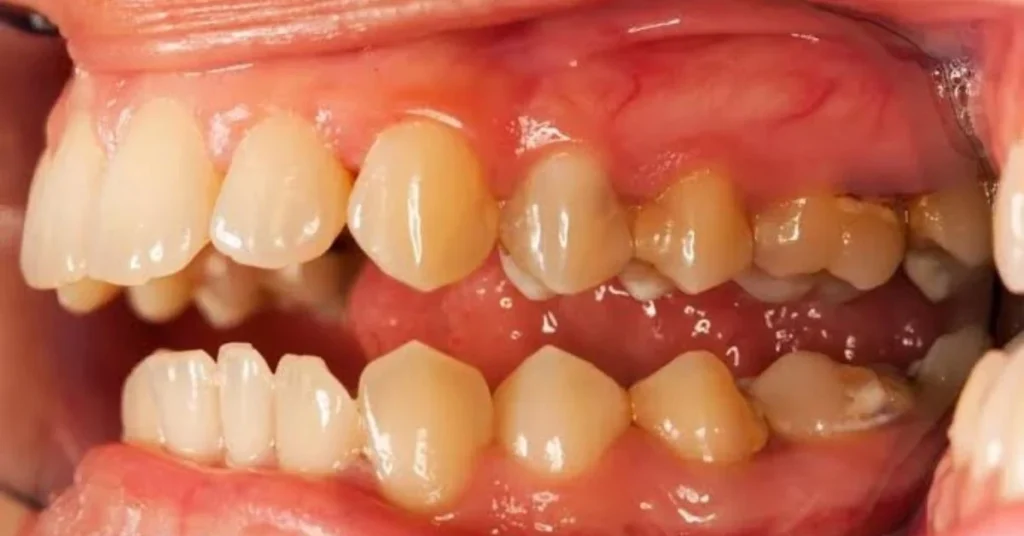
Tartar is plaque that has hardened onto your teeth, and no home method can safely remove it once it sets. This article covers why, which popular DIY tricks can damage your mouth, and how to keep new buildup from forming. It also explains when a professional teeth cleaning in Atlanta, GA makes sense.
What Tartar Is and How It Differs From Plaque
Every tooth surface collects a film of bacteria as the day goes on. That film is plaque, and it’s soft enough that regular brushing wipes most of it off. If it stays put for a day or two, minerals in your saliva harden it into tartar, which dentists call calculus.
Tartar is rough and porous, so it picks up stains and attracts new plaque. You’ll usually find it in the places that are awkward to reach. The inside of the lower front teeth is a common one, along with the gumline and the gaps between teeth. Because it sits against the gums, it can irritate them and lead to gingivitis, the early and reversible stage of gum disease. If it stays for long periods, it can contribute to more serious gum problems.
Color varies. Tartar may look yellow, tan, or brown, and some of it is nearly clear, especially below the gumline, so you can have it without seeing it.
Can You Remove Tartar at Home?
No. Brushing and flossing take off plaque, but they can’t break the bond that tartar forms with the tooth surface. Dental professionals agree that once plaque has calcified, it takes specialized instruments to remove.
Home care still matters, but its job is prevention. You can’t undo hardened tartar, though you can keep plaque from hardening in the first place.
Home Remedies People Try
Online advice on this topic is plentiful, and a lot of it is poor. Here is how the common suggestions hold up.
Baking soda is a mild abrasive that can lift light surface stains. It won’t dissolve tartar, and scrubbing hard or using it often can wear down enamel.
White vinegar and lemon juice are acids, and acids soften enamel. Enamel doesn’t grow back, so rinsing or soaking your teeth in either risks sensitivity and permanent damage.
Oil pulling, which means swishing oil in your mouth, has little evidence behind it as a tartar remedy. It’s unlikely to hurt you, but it can’t stand in for brushing.
Metal scrapers and “tartar removal kits” look like the tools hygienists use, but hygienists are trained to use them while seeing and feeling what they’re doing. At home, it’s easy to scratch enamel, cut your gums, or push bacteria deeper into the tissue. A small slip can leave you with a bigger problem than the tartar you started with.
Be suspicious of any product or video that promises to dissolve tartar in a few days.
How to Slow Down New Tartar
Existing buildup stays until a professional removes it, but daily habits affect how fast it returns.
A soft brush and fluoride toothpaste are all you need, as long as you use them for two minutes, morning and night. Point the bristles at the spot where teeth meet gums, and keep your pace unhurried. People tend to rush and miss the inside surfaces of the lower front teeth, one of the most common spots for tartar.
An electric toothbrush can make thorough brushing easier, since many have timers and pressure sensors that warn you when you press too hard.
Plaque hides in the spaces between teeth where a brush can’t get in, so those spots need their own cleaning once a day. String floss, interdental brushes, and water flossers all work, so pick the one you’ll stick with.
Tartar-control toothpaste can limit new tartar above the gumline. It doesn’t remove what’s already there. An antimicrobial mouthwash may also help reduce plaque bacteria, but ask your dentist first, since not every rinse suits every mouth.
Diet plays a part too. Frequent snacking on sugary or starchy foods feeds plaque bacteria, so spacing out meals and drinking water afterward gives your mouth a break. If you smoke, quitting helps. Tobacco users tend to build up tartar faster and have a higher risk of gum disease.
When to See a Dentist
Certain signs suggest tartar or gum inflammation is already established. These include gums that bleed when you brush or floss, gums that look red, swollen, or tender, bad breath or a bad taste that won’t go away, rough deposits a gritty or crusty spot you notice when you run your tongue over your teeth, and gums that look like they’re receding.
Other conditions can cause the same symptoms, so a dentist needs to examine you before anyone can say what’s behind them.
What a Professional Cleaning Involves
In a standard cleaning, a dental hygienist uses ultrasonic and hand instruments to remove tartar from above and just below the gumline, then polishes the teeth. It usually isn’t painful, though sensitive teeth or inflamed gums can feel tender. If there’s heavy buildup under the gums, your dentist may recommend a deeper cleaning called scaling and root planing. It typically takes more than one visit and sometimes involves numbing.
At Elegant Smiles Dental Atlanta, a dental checkup and cleaning gives the team a chance to look at your gums, check for cavities, and point out anything unusual while it’s still small. The office is at 2882 N. Druid Hills Rd Suite A, Atlanta, GA 30329, and you can find patient resources at dentalatl.com.
Cleaning and Other Dental Goals
Tartar control often ties into larger treatment plans. Someone planning to start Simplyclear Aligners Atlanta treatment should have healthy gums first, because aligners work best when plaque is under control. Aligners also need careful cleaning, both the teeth and the trays.
The same applies to flexible cosmetic dental treatments. Whitening, bonding, and similar work usually goes better on clean teeth and healthy gums, which is why a cleaning often comes first. Whether a particular treatment suits you depends on your exam and health history, and your dentist can go over the options once they’ve seen your mouth.
Frequently Asked Questions
1. Can I scrape tartar off my teeth myself?
It’s strongly discouraged.Home scrapers can scratch enamel and injure gums, and you can’t see the tartar under the gumline, where it often does the most harm.
2. Does baking soda remove tartar?
No. It may help with light surface stains, but it won’t break down hardened tartar, and heavy or frequent use can wear enamel.
3. How long does it take for plaque to turn into tartar?
Hardening can start within a day or two if plaque isn’t removed. The speed varies with saliva chemistry, diet, and brushing habits.
4. How often should I get my teeth cleaned?
Many people are advised to go about every six months. Others need more frequent visits, particularly if they have gum disease or build up tartar quickly. Your dentist can suggest a schedule based on your mouth.
5. Does tartar removal hurt?
For most people it doesn’t. Expect some pressure and a scraping sound, and if your gums are sore or swollen, the cleaning may sting in spots. If anything feels sharp, raise your hand and tell the hygienist. They can slow down, go gentler, or numb the area.
6. Does insurance cover tartar removal?
A routine cleaning is covered by a lot of dental plans, often fully or mostly. A deeper cleaning for gum disease usually falls under a different category, and plans treat it differently. Call your insurer or ask the front desk to check your benefits before you book, so you know what you’ll owe.
7. Can tartar cause permanent damage?
Over time, untreated tartar can contribute to gum disease, and advanced gum disease can affect the bone that supports your teeth. Treating it early generally stops that progression, so it’s a good reason not to put cleanings off.
Conclusion
Once tartar has formed, a dentist or hygienist is the only safe way to remove it. The household remedies that circulate online either don’t work or risk harming your enamel and gums. What you can control is plaque: brush well, clean between your teeth daily, watch your snacking, and keep up with regular visits. If it’s been a while, booking a professional teeth cleaning in Atlanta, GA is a sensible way to start fresh and find out how your gums are doing.
Our experienced dental team is proud to serve patients from these nearby communities, whether you’re after routine care or a smile upgrade:
We’re committed to quality dental care and to helping patients throughout these communities keep their smiles healthy and confident.
About the Author
Dr. Kimi Patel is a dentist at Elegant Smiles in Atlanta. A University of Michigan graduate, she provides checkups, cleanings, fillings, crowns, and cosmetic treatment. She devotes much of each appointment to walking patients through their options so they understand what each involves before making a choice.
2882 N. Druid Hills Rd Suite A
Atlanta, GA 30329
Phone: 404-634-4224
Email: staff@dentalatl.com


